Sump Pump Repair and Maintenance: Protecting Your Property from Water Damage
May 3, 2026Water damage is one of the most costly and disruptive issues a property owner can face. Whether it’s a residential basement or a commercial building, excess water intrusion can lead to structural damage, mold growth, and expensive repairs. One of the most critical systems designed to prevent this is the sump pump. When functioning properly, a sump pump quietly protects your property from flooding. However, when it fails, the consequences can be immediate and severe.
Understanding how sump pumps work, recognizing early warning signs of failure, and committing to regular maintenance can make all the difference. This guide explores everything property owners in Roseville, California, and beyond need to know about sump pump repair and maintenance.
What Is a Sump Pump and Why It Matters
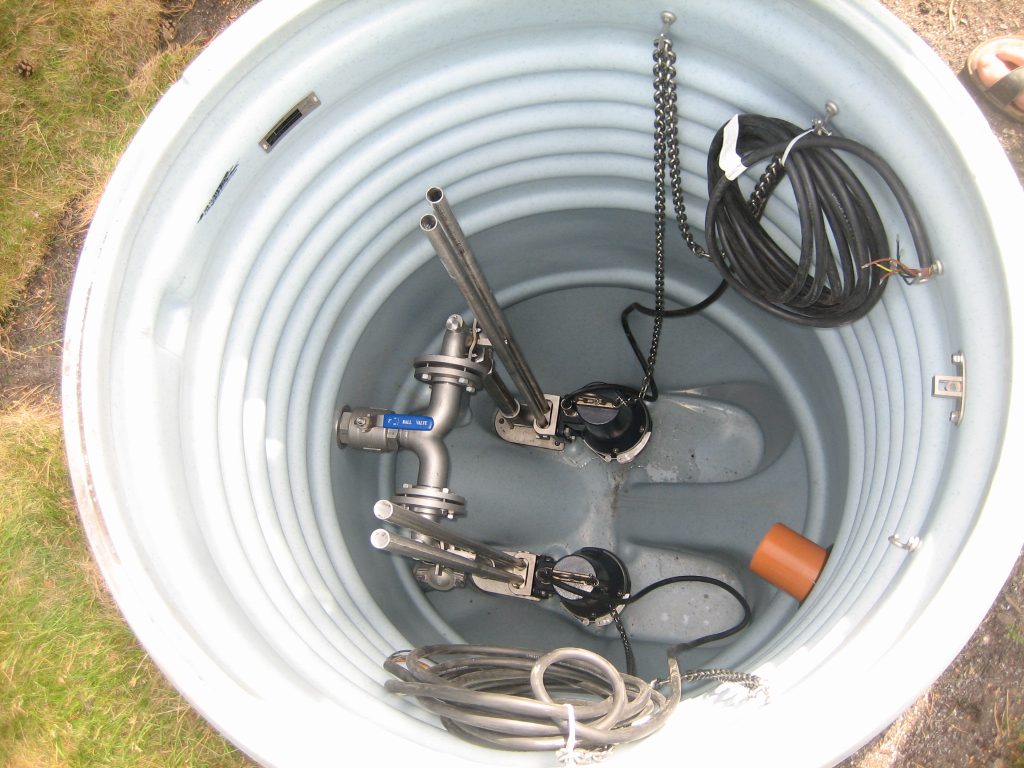
A sump pump is a device installed in the lowest part of a basement or crawl space. Its primary function is to collect and remove water that accumulates in a sump basin, typically due to rainfall, groundwater, or plumbing leaks.
In areas like Roseville, where seasonal rains and occasional storms can overwhelm drainage systems, sump pumps act as a critical line of defense. Without a properly functioning sump pump, water can quickly build up and seep into floors, walls, and foundations.
Key Benefits of a Working Sump Pump:
- Prevents basement flooding
- Reduces risk of mold and mildew
- Protects structural integrity
- Safeguards personal belongings and equipment
- Improves overall property value
Common Causes of Sump Pump Failure
Even high-quality sump pumps are not immune to failure. Understanding the most common causes can help you take proactive steps to avoid them.
1. Power Failures
Sump pumps rely on electricity. During heavy storms—when you need them most—power outages can render them useless unless a backup system is in place.
2. Clogged Discharge Lines
Debris, dirt, or ice can block the discharge pipe, preventing water from being expelled properly.
3. Switch Problems
The float switch activates the pump when water reaches a certain level. If it gets stuck or damaged, the pump may not turn on.
4. Improper Installation
Incorrect sizing or poor installation can lead to inefficiency or early system failure.
5. Aging Equipment
Most sump pumps have a lifespan of 7–10 years. Over time, wear and tear reduce performance and reliability.
Warning Signs Your Sump Pump Needs Repair
Recognizing early warning signs can prevent a minor issue from turning into a major disaster.
Watch for These Red Flags:
- Unusual noises such as grinding or rattling
- Continuous running or failure to turn on
- Visible rust or corrosion
- Frequent cycling on and off
- Water pooling around the sump pit
- Musty odors indicating excess moisture
If you notice any of these issues, it’s important to address them quickly before a heavy rain event exposes the weakness.
Essential Sump Pump Maintenance Checklist
Routine maintenance is the most effective way to ensure your sump pump operates when you need it most. A consistent schedule can extend the life of your system and reduce the risk of failure.
Monthly and Seasonal Maintenance Tasks:
- Test the Pump: Pour water into the basin to ensure it activates properly
- Inspect the Power Source: Check cords and outlets for damage
- Clean the Sump Pit: Remove debris that could clog the system
- Check the Discharge Line: Ensure it’s clear and directing water away from the property
- Examine the Float Switch: Make sure it moves freely
Sump Pump Maintenance Schedule
| Maintenance Task | Frequency | Purpose |
|---|---|---|
| Pump functionality test | Monthly | Ensure proper activation |
| Sump pit cleaning | Every 3–4 months | Prevent clogs and debris buildup |
| Discharge line inspection | Quarterly | Maintain proper water flow |
| Full system inspection | Annually | Identify wear and potential failures |
| Battery backup testing | Twice a year | Ensure operation during power outages |
Following this schedule can significantly reduce the likelihood of unexpected failures.
The Importance of Backup Systems
One of the biggest risks to sump pump performance is power loss. Installing a backup system ensures continued operation even during outages.
Types of Backup Systems:
- Battery Backup Pumps: Automatically activate when the main pump loses power
- Water-Powered Backup Pumps: Use municipal water pressure to remove excess water
Having a backup system is especially important in regions prone to storms or unreliable power grids.
Professional vs. DIY Repairs
While some minor maintenance tasks can be handled by property owners, sump pump repairs often require professional expertise.
DIY-Friendly Tasks:
- Cleaning the sump pit
- Testing the pump
- Checking for visible obstructions
When to Call a Professional:
- Electrical issues or power failures
- Persistent clogging problems
- Pump replacement or installation
- Diagnosing unusual noises or inefficiencies
Professional plumbers have the tools and experience to identify underlying issues and ensure long-term reliability.
Choosing the Right Sump Pump for Your Property
If your current system is failing or outdated, upgrading to a new sump pump can provide better protection and efficiency.
Key Factors to Consider:
- Pump Capacity: Measured in gallons per hour (GPH)
- Type: Submersible vs. pedestal pumps
- Durability: Materials that resist corrosion
- Backup Compatibility: Integration with backup systems
Selecting the right pump ensures your system can handle the specific water volume and conditions of your property.
Preventing Water Damage Beyond the Sump Pump
While sump pumps are essential, they work best as part of a broader water management strategy.
Additional Preventative Measures:
- Proper grading around the property to direct water away
- Installing gutters and downspouts
- Sealing foundation cracks
- Using dehumidifiers in moisture-prone areas
Combining these strategies creates a comprehensive defense against water damage.
The Cost of Neglecting Sump Pump Maintenance
Ignoring sump pump maintenance can lead to significant financial and structural consequences.
Potential Risks:
- Flooded basements requiring costly cleanup
- Mold remediation expenses
- Damage to flooring, walls, and furniture
- Electrical hazards
- Reduced property value
In comparison, routine maintenance and timely repairs are relatively inexpensive and highly effective.
Why Reliable Plumbing Service Matters
Having access to a dependable plumbing service provider ensures that sump pump issues are resolved quickly and correctly. Experienced professionals understand the unique challenges of local environments like Roseville and can recommend tailored solutions.
Reliable service includes:
- Prompt response times
- Accurate diagnostics
- High-quality repairs and installations
- Preventative maintenance plans
Working with a trusted plumbing expert provides peace of mind, especially during storm seasons when sump pump performance is critical.
Final Thoughts
Sump pumps play a vital role in protecting properties from water damage, yet they are often overlooked until a problem arises. By understanding how these systems work and committing to regular maintenance, property owners can avoid costly repairs and unexpected emergencies.
From routine inspections to installing backup systems, every step you take strengthens your property’s defense against water intrusion. Whether you manage a residential home or a commercial building, proactive sump pump care is an investment in long-term safety, stability, and value.
With the right approach—and the support of experienced professionals when needed—you can ensure your sump pump is always ready to perform when it matters most.