5 Ways to Prevent Major Plumbing Issues in Your Home
November 24, 2025When you call in the pros from The Plumbing Marketing Guy—for pipe repairs, fixture installations, drain cleaning, leak detection or emergency plumbing support—you’re often seeing the consequence of issues that have quietly been building up behind walls, beneath floors or in the pipes. The good news: many of the major plumbing problems that result in high bills, large-scale damage and emergency calls are preventable with a little awareness and maintenance.
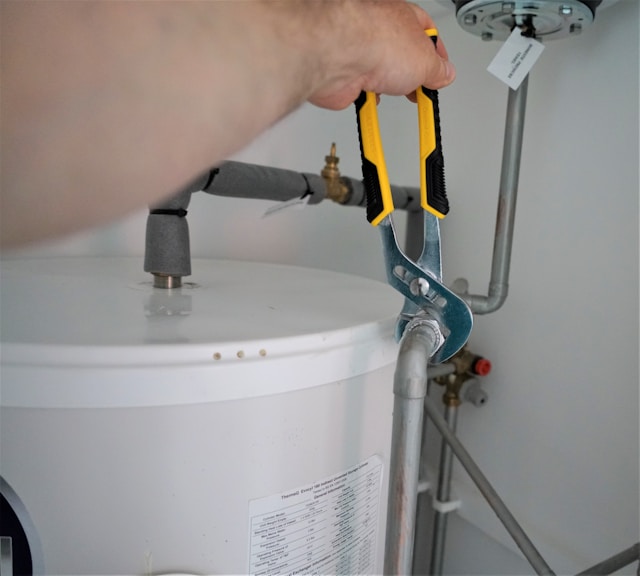
Below you’ll find five key prevention strategies. Implementing these will help your system operate efficiently, safely and in compliance with local codes.
1. Know Your System & Shut-Offs Before a Crisis
Before you ever have a major leak, burst pipe or unexpected fixture failure, it’s crucial to understand the plumbing system in your home. That includes:
- Locating your main water shut-off valve, and verifying it works smoothly
- Identifying fixture-level shut-offs (for toilets, sinks, tubs) so you can isolate small leaks quickly
- Checking where the water enters your home, where the drainage exits, and any visible piping (basement, crawl space, exterior)
- Making sure everyone in the household knows how to shut the system off, and when to call for help
Why this matters: Many plumbing disasters become far worse because the homeowner can’t stop the flow of water quickly. According to home-inspection advice, knowing your system is one of the first proactive steps to preventing plumbing problems.
Prevention tip: At least once a year, walk through your utility area and test the shut-off valve briefly (ensure the main still functions, then restore). Make sure pipes are visible and accessible.
2. Keep Drains Clear & Use Fixtures Properly
Many homeowners underestimate how much stress is placed on their pipes, joints and fittings from clogs, foreign objects, grease build-up or improper use of fixtures. These issues may seem minor (a slow drain here, a slight trickle there) but they can lead to major repairs if ignored.
What to watch for:
- Slow draining sinks or tubs
- Gurgling sounds or air bubbles when water drains
- Odors near drains or backups after heavy use
- Frequent clogs requiring plunging or chemicals
Simple practices like avoiding flushing non-flushables, not pouring grease down kitchen drains, and regularly clearing hair/trap buildups can significantly reduce plumbing trouble.
Prevention tip: Install drain covers/screens in showers/tubs, avoid flushing wipes/sanitary items unless truly flush-safe, and every few months flush drains with hot water and a mild enzyme cleaner (or simply hot water + baking soda + vinegar for kitchen/bath drains).
3. Monitor Water Pressure & Inspect for Minor Leaks
A hidden leak or overly high water pressure are two silent but dangerous risks to your plumbing system. Small leaks waste water, damage structures and can turn into major pipe failures. High pressure puts excess strain on pipes, fittings and appliances.
What to do:
- Check water pressure: Many homes aim for around 50–60 psi. If pressure is significantly higher you may need a pressure regulator
- Inspect exposed piping (basement, crawl space, garage) for signs of corrosion, damp spots, mineral deposits or mild drips
- Listen for sounds of water movement when nothing is turned on—this can signal hidden leaks
- Check under sinks and behind fixtures regularly for small drips or puddles
Maintaining good pressure and plugging small leaks early are cited as key steps in preventing major plumbing issues.
Prevention tip: Have a licensed plumber (like the team at The Plumbing Marketing Guy) perform an annual check-up to assess pressure, valves and visible piping.
4. Seasonal & Environmental Considerations (Especially in Texas)
In a place like Grand Prairie, TX, environmental and seasonal factors—such as high heat, ground shifts and occasional freezes—add unique stress to your plumbing system. Paying attention to seasonal maintenance can prevent pipe bursts, outdoor spigot leaks and water system shutdowns.
Key seasonal issues:
- Outdoor hose bibs and exposed pipes can freeze during rare cold snaps—insulating these prevents cracking/bursting
- Summer heat and ground shifting can loosen fittings or cause expansion stresses
- Trees and landscaping can shift or damage underground water/sewer lines
- Irrigation systems and outdoor fixtures should be winterized or protected when not in use
Regular seasonal preparation is a critical part of avoiding plumbing emergencies.
Prevention tip: Before winter, drain and shut off outdoor water lines, insulate exposed pipes. Before summer’s higher usage, check outdoor faucets, irrigation feeds and hose connections for leaks or corrosion.
5. Get a Professional Inspection & Use the Right Materials
While many preventive tasks are homeowner-friendly, bringing in a professional inspection once per year goes a long way. A trained technician from The Plumbing Marketing Guy can look for hidden issues, ensure code compliance, evaluate fixture condition and make smart recommendations.
Additionally—using quality plumbing materials, fixtures and adhering to recommended installation practices reduces long-term issues.
What the inspection should cover:
- Pipe material condition (iron, copper, PVC, PEX) and any signs of aging or corrosion
- Backflow prevention devices, air gaps, venting (especially for older homes)
- Fixture condition—faucets, toilets, valves—and whether replacements make sense
- Drain-waste-vent system functionality, including traps, vents and cleanouts
- Current local code compliance and whether upgrades make sense for your home
Many major plumbing failures stem from neglected maintenance, outdated materials or missing professional oversight.
Prevention tip: Schedule a yearly “plumbing check-up” with The Plumbing Marketing Guy (or another qualified plumber). Use it to catch small issues before they escalate.
Comparison Table: Preventive Actions vs. Costs & Benefits
| Preventive Action | Typical Cost/Time | Benefits Gained |
|---|---|---|
| Locate & test shut-off valves | 15–30 minutes | Faster response in emergency, less damage |
| Clear drains & avoid misuse of fixtures | Low (DIY time) | Reduced clogs, better flow, fewer backups |
| Monitor pressure & inspect for leaks | Minimal (visual check) | Saves water, avoids major pipe failures |
| Seasonal pipe/fixture preparation | DIY or small service cost | Prevents burst pipes, outdoor leaks |
| Annual professional inspection & materials review | Moderate | Long-term system health, fewer emergency calls |
Bringing It All Together
By focusing on these five areas—system familiarity, drain care, pressure/leak monitoring, seasonal readiness and professional inspection—you’re putting your home’s plumbing system into the “prevention zone” instead of the “reactive repair zone.” For homeowners in Grand Prairie and the surrounding area, working with a service-oriented plumbing company like The Plumbing Marketing Guy means you’re backed by technicians who understand local conditions, code requirements and the value of preventive care.
When you invest a little time and attention now, you avoid the stress, disruption and high cost of major plumbing failures later. Think of it as home-care for your water system—much like changing your oil or doing a tune-up for your car.